

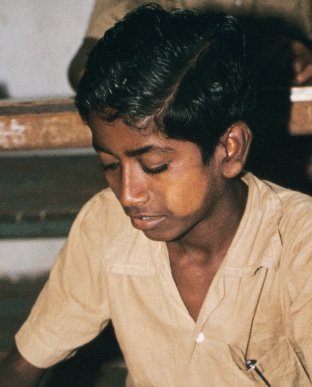
Official figures
Leprosy in Brazil: a decade of warning signs.
Between 2015 and 2024, Brazil reported 301,475 leprosy cases. The 2024 detection rate was 10.41 cases per 100,000 inhabitants, still classified as high.
High national burden
22.129
New cases diagnosed in Brazil in 2024.
10,41 /100k
Overall detection rate in 2024, still classified as high.
11,5%
New cases already presenting grade 2 physical disability at diagnosis.
Active transmission
921
Children and adolescents under 15 diagnosed in 2024.
71,8%
New cases among Black and Brown Brazilians.
13,3%
New cases detected through contact examination, the decade's highest percentage.
Disability grade at diagnosis
Grade 2 rose from 7.5% in 2015 to 11.5% in 2024, suggesting delayed diagnosis.
Leprosy Epidemiological Bulletin, Brazilian Ministry of Health, special issue, January 2026; disability grading according to Ministry of Health and WHO protocols.
WHO · new cases reported · 2024
Leprosy remains concentrated in a limited number of territories. Brazil remains among the highest-burden countries.
Source: WHO / Global Health Observatory, indicator “Leprosy — number of new cases”, 2024. Values are absolute numbers of reported new cases, not population incidence rates. Fixed labels prioritize Brazil, India and Indonesia; other countries with data remain interactive by hover, focus or touch.
The disease
Leprosy begins before the eye can see it.
Mycobacterium leprae affects the skin and peripheral nerves. The disease may remain silent for months or years while neural damage develops.
Brazil's Ministry of Health clinical protocol defines skin lesions or areas with altered thermal, pain or tactile sensitivity as a cardinal sign. In other words, the disease is not merely a spot. It is a neurological change expressed through the skin.
01
Contact with the bacillusThe patient comes into contact with M. leprae.
02
Silent incubationMonths or years before visible symptoms.
03
Sensory changeLoss or reduction of thermal, pain or tactile sensitivity.
04
Preventable disabilityWhen diagnosis is delayed, damage may become permanent.
Brazilian Clinical Protocol and Therapeutic Guidelines for Leprosy, Ministry of Health, 2022/2023.
The founder
From clinical observation to building a new tool.
“Technology must reach the point where clinical examination still depends on poorly standardized methods.”
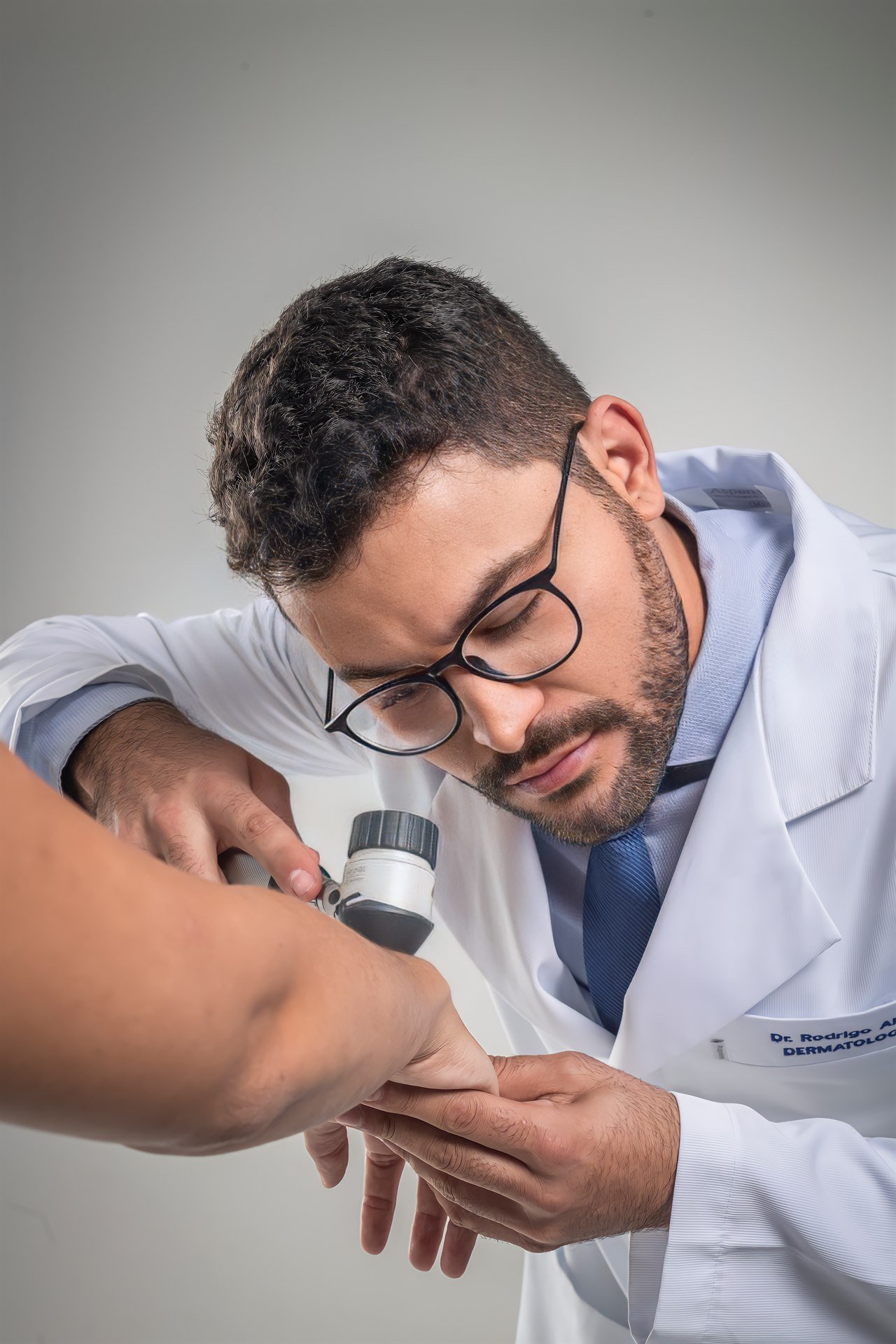
Dr. Rodrigo Alves is a dermatologist in São José dos Campos and founder of SKINTRONICS. A Dermatology specialist trained at UNIFESP, he completed advanced programs at the New York Institute of Technology, Harvard Medical School and University Medical Center Groningen in the Netherlands.
Experience with skin diseases, detailed diagnosis and complex cases brought clinical practice closer to applied research. This concern led to the proposal of turning thermal sensitivity testing into a more objective, portable and reproducible procedure.
ScienceA strong foundation and continuous learning.
InnovationTurning clinical practice into technology.
PurposeGreater diagnostic precision, greater real-world impact.
Education and professional registrations as listed at rodrigoalves.med.br. Biographical text in an initial version for founder review.
Research partner
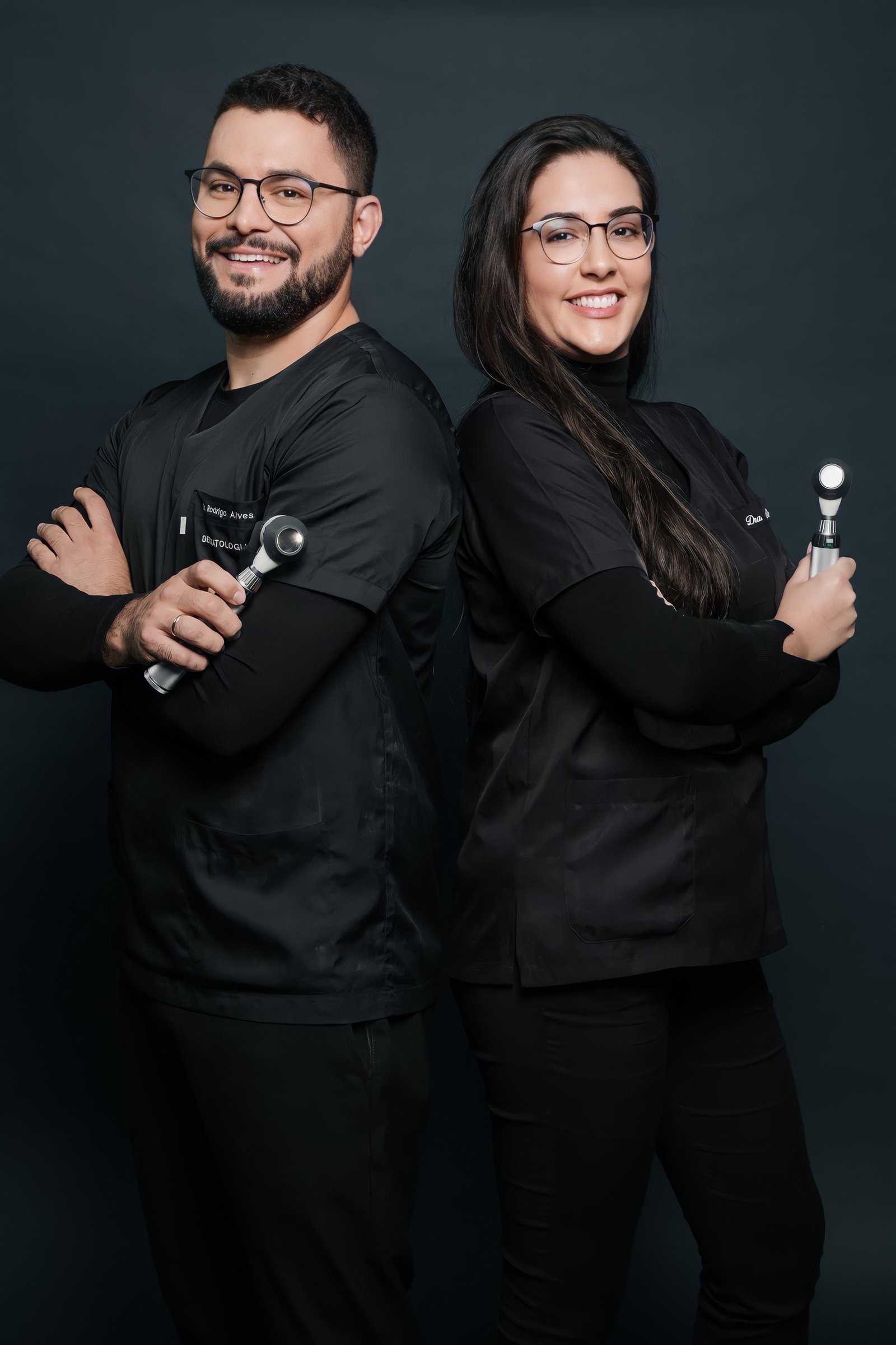
Dr. Simone Vitor: clinical collaboration to turn a prototype into evidence.
Dermatologist Dr. Simone Vitor will be a research partner in the project's clinical stage, helping standardize data collection and compare the SKINTRONICS device with the traditional tube method.
Clinical protocolSupport for organizing and standardizing collection procedures.
Data collectionParticipation in the pilot study and monitoring of clinical records.
ComparisonAssessment comparing the portable device with traditional thermal testing.
Participation described in the 2026 FAPESP PIPE-JT Health proposal: Dr. Simone Vitor's collaboration in standardizing clinical collection and comparing methods.
The disease in images
Early recognition changes what comes next.
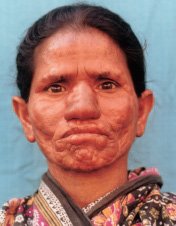

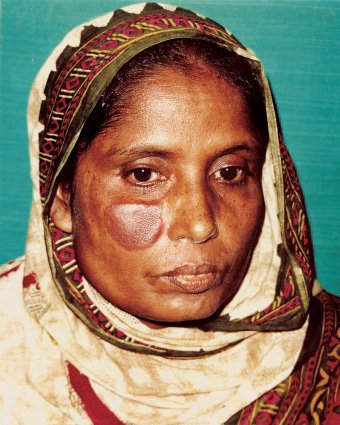
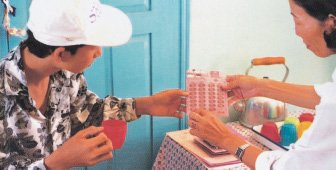
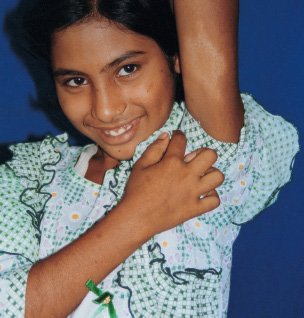

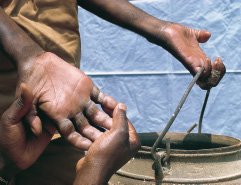

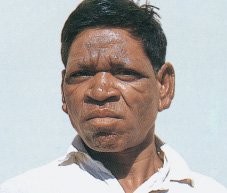
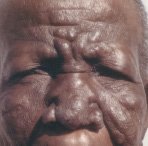
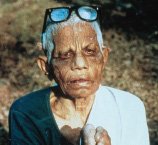
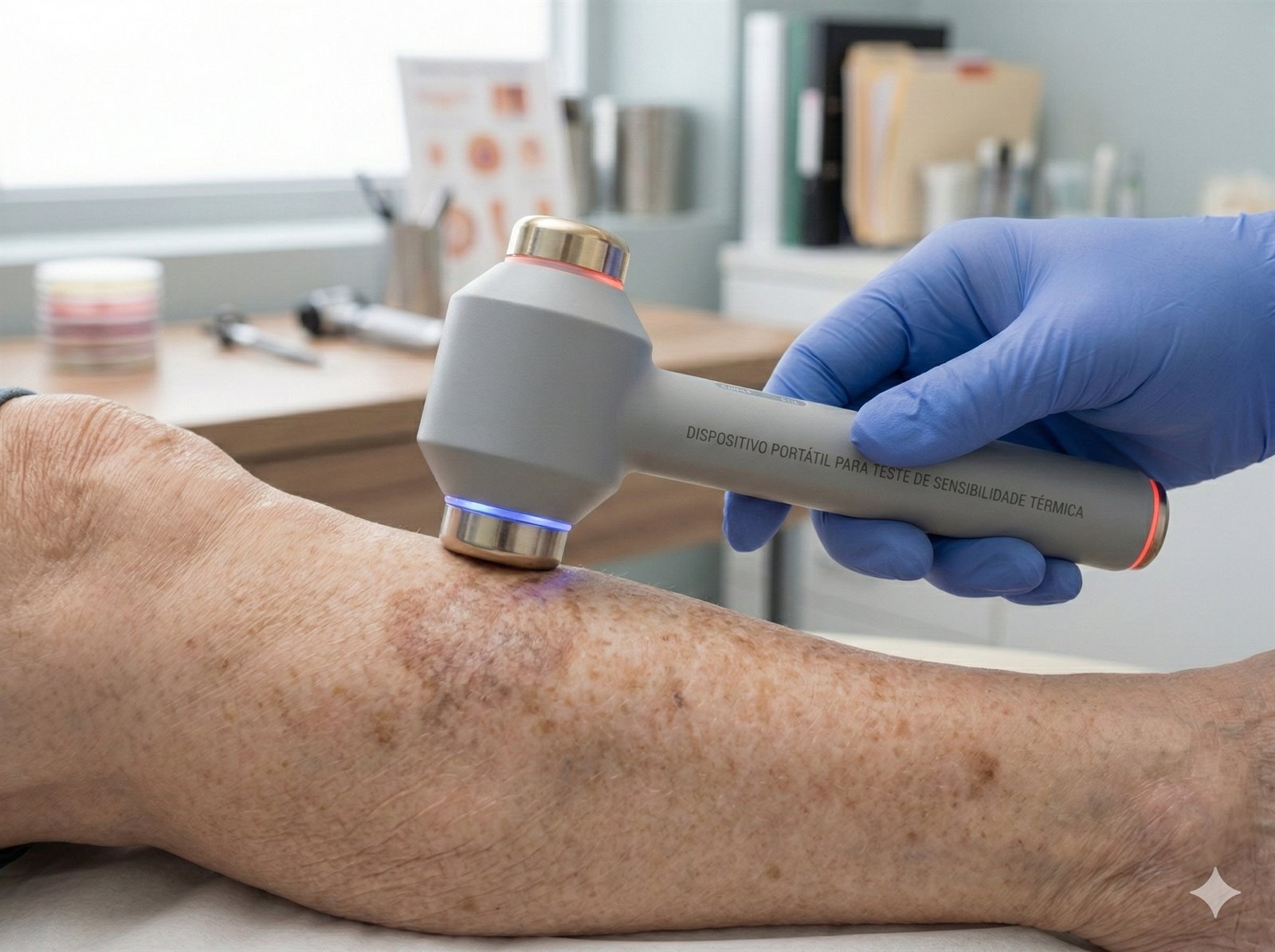
The skin we examine
The disease begins where the eye cannot see.
An apparently subtle area may conceal the most important change: sensory loss.
Brazilian Ministry of Health leprosy protocol: altered thermal, pain or tactile sensitivity as a cardinal sign of the disease.
The solution
A portable instrument to sense what the eye cannot see.
SKINTRONICS is developing a portable medical device for testing skin thermal sensitivity. It delivers controlled warm and cold stimuli, reducing improvisation at the point of care.
ObjectiveRecords response, time, temperature and body site.
StandardizedReduces variation caused by environment, water or preparation.
FastSimple operation for routine care.
PortableDesigned for outpatient clinics, primary care units and field campaigns.
Device concept and characteristics according to SKINTRONICS technical documentation and technology patented with Brazil's INPI.
How it works
Stimulus. Response. Record.
The professional places the device on the suspicious area. The system applies controlled thermal stimuli. The patient reports perception. The examination records the response in a structured manner.
01
Select the test siteSuspicious area, neural territory or protocol-defined site.
02
Apply thermal stimulusWarm and cold surfaces with temperature control.
03
Record the responseTime, temperature, body site and result.
Preliminary functional architecture of the SKINTRONICS prototype; the clinical-use protocol will be defined and validated during development and research.
Official documents
Choose a source. Download the document.
A concise library of official indicators, global strategy and a clinical atlas providing context for the project.
Brazilian Ministry of HealthEpidemiological Bulletin
Jan. 2026
Leprosy Epidemiological Bulletin
Special issue with recent Brazilian data, including new cases, detection rate, physical disability grade at diagnosis, prevalence, cure, treatment abandonment, contacts and children under 15.
Download bulletin
Library comprising publications from Brazil's Ministry of Health, the World Health Organization and the Sasakawa Memorial Health Foundation. Files are provided for educational consultation.
Network in formation
Medical technology is born where specialties meet.
The FAPESP proposal organizes development across complementary workstreams. Service providers and partners will be named after formalization and authorization.
Electronic engineeringPlanned workstream
From a bench circuit to a reliable architecture.
Electronic engineering integrates sensors, thermal control, power and signaling into a system prepared for repeatable testing and prototype evolution.
HardwareCircuit refinement and component integration.
PCBBoard layout and electrical organization of the device.
FirmwareControl, sensor readings and bench testing.
Industrial designPlanned workstream
Form, ergonomics and safety must work together.
Design turns technology into a usable medical instrument by integrating industrial design, three-dimensional modeling, assembly, cleaning and examination comfort.
3D modelingCAD files and iterative enclosure development.
ErgonomicsGrip, balance and operation during care.
DocumentationTechnical drawings and controlled prototype versions.
Precision machiningSpecialized service
The thermal interface depends on material precision.
The metal head transfers the stimulus to the skin. The proposal includes CNC machining of a pilot batch in 6061 aluminum or equivalent material, with dimensional control and appropriate finishing.
Pilot batchUp to 20 units for assembly, testing and rework.
RepeatabilityComparison of dimensional variation among parts.
FinishingSurface suitable for external skin contact.
BiostatisticsPlanned consultancy
Clear data to decide the next step.
Biostatistics structures the comparative pilot study, reduces bias and turns technical and clinical measurements into useful evidence for validation and development.
Analysis planOutcomes, tests and criteria defined in advance.
Sample rationaleSample sizing consistent with the pilot study.
AgreementComparison between the device and the traditional method.
Metrology and regulationPlanned consultancy
Performance demonstrated. Risk organized. Regulatory path initiated.
This workstream connects metrological validation, initial risk analysis and regulatory preparation for future medical-device clearance with ANVISA.
MetrologyStability, thermal accuracy and repeatability.
RisksInitial safety requirements and recommendations.
ANVISALikely classification and organization of the technical dossier.
Scope based on the proposal “Portable Device for Skin Thermal Sensitivity Testing”, 2026 PIPE-JT Health, and the budget details submitted through the SAGe/FAPESP system.
From network formation to care
Keep scrolling to advance →
✓Completed
The foundation has been built.
Before clinical research, there was a concrete sequence of intellectual-property protection, technical maturation and company formation. This path now makes it possible to organize a multidisciplinary network.
PatentFiled in 2020 and granted by INPI in 2022.
IncubationTwo years in the Nexus ecosystem at the São José dos Campos Technology Park.
PrototypeFunctional concept and initial device architecture.
CompanySKINTRONICS incorporated to lead research, validation and market transfer.
●In progress
PIPE Phase 1: demonstrate feasibility.
The proposal is participating in the PIPE Technology Journey - Health selection. At this stage, the goal is to reduce the main technical and scientific uncertainties and produce evidence for rigorous decisions about the next cycle.
Integrated engineeringElectronics, firmware, design and machining integrated into a refined prototype.
Thermal performanceAccuracy, stability, repeatability and operational safety.
Pilot studyInitial comparison with the traditional method and structuring of clinical collection.
Regulatory pathwayInitial risks, metrology and medical-device classification.
→Next stage
PIPE Phase 2: develop the research.
Once feasibility is demonstrated, Phase 2 may deepen research development for innovation. Under the PIPE rules, this phase may last up to 24 months and include preliminary market-entry activities.
Expanded validationMore participants, centers and clinical use conditions.
Design for manufacturingRefinement of the product, components, assembly and quality control.
Technical dossierTesting, risk management and documentation for future clearance.
Business planningAdoption strategy, sustainability and commercial preparation.
→Our goal
From a validated product to the point of care.
The planned commercial strategy combines institutional and professional channels. The device must reach those who examine the skin, with training, support and traceability appropriate for medical technology.
Public sectorHealth departments, Brazilian public-health services, reference centers and leprosy-control programs.
Private servicesClinics, hospitals, educational institutions and occupational-health organizations.
Healthcare professionalsDermatologists, neurologists, physiotherapists and primary-care teams.
+Final objective
The patient is the primary beneficiary.
The entire journey only matters if it helps recognize sensory changes earlier, supports clinical decisions and reduces the risk of permanent neurological damage. Here, technology is a way to provide better care.
EarlierSupport recognition of changes before disability develops.
More objectiveReduce variations in temperature, time and technique during testing.
More accessibleBring a portable tool to different care settings.
More humaneTurn technological precision into autonomy and care.
Connections
Who we want beside us.
To reach the patient, a medical device needs a network: science, clinical practice, engineering, regulation, production, investment and public health.
Investors
Capital for clinical validation, technical testing, registration and scale.
Clinical partners
Outpatient clinics, university hospitals and reference centers.
Technical providers
Electronics, metrology, firmware, quality and manufacturing.
Public health
Teams and managers who need standardized diagnosis.
Science
Prototype
Validation
Impact
FAPESP
Research · innovation · health
PIPE Technology Journey · Health
In selection · Phase 1
PIPE Technology Journey · Health · Phase 1
Participating in the program selection that turns science into medical technology.
SKINTRONICS is participating in the selection for the PIPE Technology Journey - Health Program Call for Proposals - Phase 1, an initiative for innovative projects with potential for applied research, validation and technological development.
ResearchBuild the evidence base and refine the technology.
ValidateTest performance, use and safety.
TransferPrepare the innovation to generate impact.
The call directly matches the project's current stage: turning a portable medical-device prototype into a testable, validatable solution prepared to advance toward clinical use.
Learn about PIPE
Innovative Research in Small Businesses Program - PIPE, São Paulo Research Foundation. View program.
Traction
Where we are.
Patent filing
Protection of the device's core technology.
Patent granted by INPI
Valid through 2040.
Incubation and technical maturation
São José dos Campos Technology Park, Nexus Hub ecosystem.
SKINTRONICS incorporated and PIPE Phase 1
Company created, proposal structured and participating in the 2026 FAPESP-PIPE Health call selection.
Technical-clinical validation and PIPE Phase 2
Product refinement, expanded research, technical documentation and regulatory strategy.
Institutional and professional adoption
Public sector, private services and healthcare professionals connected through training, support and quality.
Earlier diagnosis for the patient
A more objective and portable tool to support clinical decisions and reduce preventable disabilities.
Memory and reparation
The history of leprosy is also a history of separation.
For decades, an isolation-based health policy broke families apart and amplified stigma. Current rulings and reparation initiatives show that this past is not yet over.

Jacareí · 1932-1952
When a health policy separated parents and children.
The documentary Preventório: The Story, produced by Jacareí City Council TV, recovers memories of the institution that received children of people compulsorily hospitalized for leprosy. Many children grew up separated from their families and under the same stigma directed at their parents.
Watch on YouTube ›A case returns for review.
Justice Flávio Dino ordered a new ruling on a compensation claim filed by a man separated from his parents as a child, setting aside the statute-of-limitations interpretation applied by lower courts.
Read on Migalhas ›Brazil's Supreme Court defines a new time limit.
Brazil's Supreme Court reaffirmed that children separated from their parents by compulsory hospitalization have five years from publication of the ADPF 1060 minutes to seek compensation from the federal government.
Read on the Supreme Court website ›Reparation also seeks conciliation.
The Federal Court began directing cases to conciliation centers under a federal legal plan for people affected by isolation policies and separated families.
Read on the federal government website ›
Historical context: Jacareí Preventorium (1932-1952): ideals, daily life and documentation. Documentary and institutional information: Jacareí City Council.
Let us bring early diagnosis where it needs to be.
If you are an investor, clinical partner, researcher, public manager, manufacturer or technical provider, contact SKINTRONICS.
falecom@odermatologista.com